
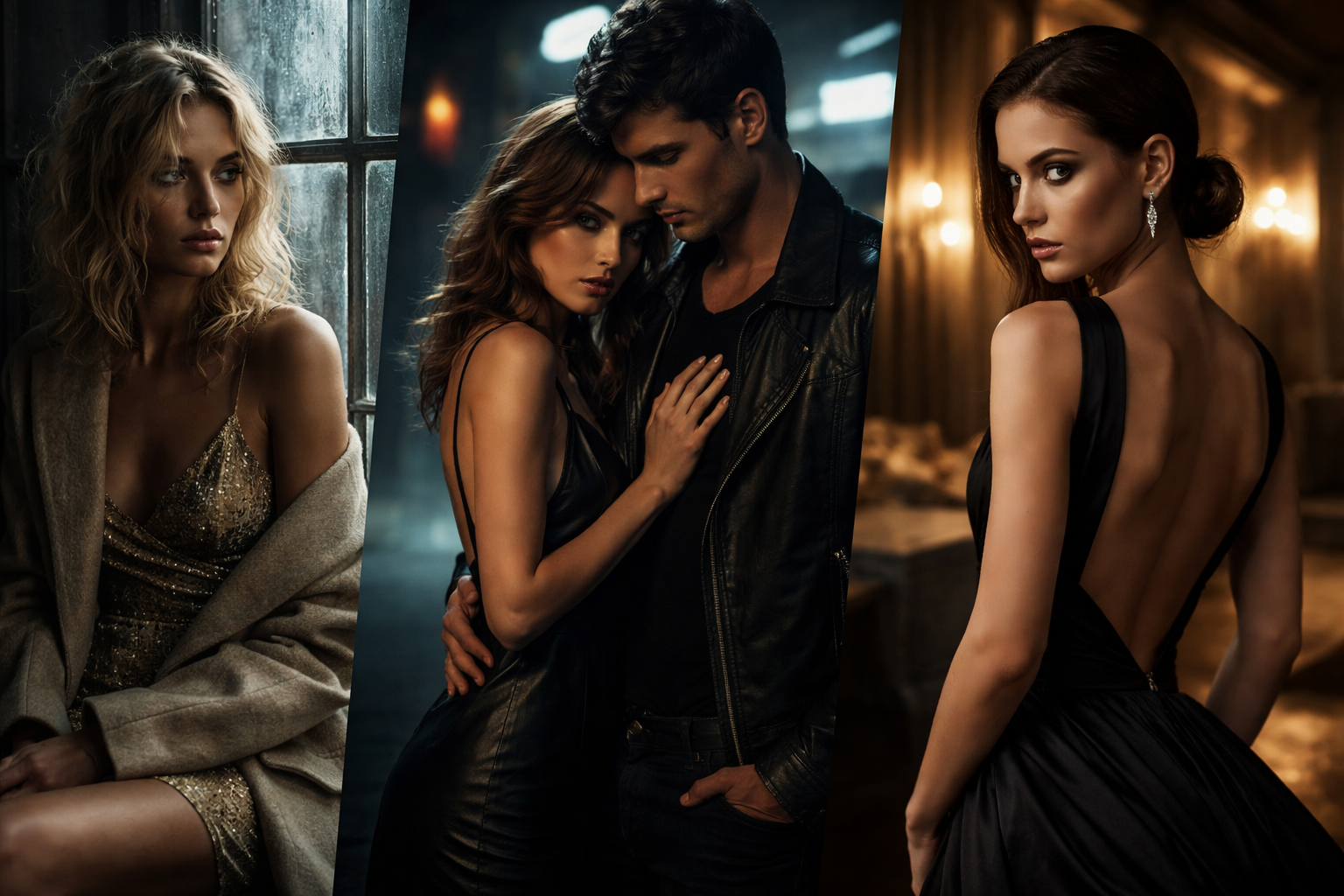
In the fast-paced arena of fashion photography, where runways, glossy campaigns, and influencer feeds dominate the landscape, Claudio Carlos Basso has quietly carved out a distinctive niche. Over the last decade, he has pushed the medium beyond standard editorial formulas, merging cinematic storytelling with an editorial eye that highlights nuance, texture, and emotion. Basso isn’t just snapping pictures—he’s crafting immersive experiences, transforming each shoot into a narrative journey that resonates long after the image appears on a page or screen.
For photographers, models, and brands navigating the ever-changing industry, his work represents more than aesthetic excellence—it’s a subtle revolution, showing that fashion photography can be both visually striking and narratively compelling.
Why Basso’s Approach Changes the Game
Fashion imagery has historically operated in a loop of predictable patterns: models in studio setups, staged poses, and familiar lighting. While this formula ensures consistency, it often limits the depth of storytelling. Claudio Carlos Basso challenges this status quo by turning fashion photography into a narrative-driven medium.
He frames clothing and models within moments of authenticity, inviting the audience to pause and engage. This approach matters because it signals a shift in the visual consumption game: audiences are no longer satisfied with static, transactional images. They want context, emotion, and a sense of place. For players in this visual economy—photographers, designers, and brands—Basso demonstrates that technical mastery alone is not enough. Crafting a story, building tension, and creating atmosphere are equally crucial.
Dissecting Basso’s Signature Techniques
One of the most defining elements of Claudio Carlos Basso’s work is his use of environment. Instead of confining fashion to sterile studios, he stages shoots in evocative locations: dimly lit urban streets, industrial spaces, or intimate interiors. These settings interact with the garments, adding layers of meaning that elevate the imagery beyond pure style. The result is fashion photography that feels alive, almost interactive—like stepping into a game world rather than glancing at a static screen.
Lighting is another tool he wields with precision. Basso treats shadows and highlights as narrative elements rather than functional necessities. Soft, diffused light creates intimacy, drawing viewers into subtle expressions and fabric details, while stark, directional lighting emphasizes form, silhouette, and tension. This dynamic approach encourages the audience to read each frame like a storyboard, picking up on cues and subtleties that most editorial photography ignores.
Collaboration is also central to his method. Basso doesn’t merely direct; he co-creates. Stylists, makeup artists, and designers are treated as active participants rather than supporting cast. This collaborative loop fosters experimentation, producing results that feel spontaneous yet intentional. From a gaming perspective, it’s like entering a sandbox mode where every player contributes to the outcome—improvisation meets strategy.
Impact on the Audience and Industry Players
The effects of Basso’s approach extend well beyond the frame. For audiences, his images invite deeper engagement. Viewers linger, notice textures, observe micro-expressions, and absorb context. Unlike rapid social media scrolls, Basso’s work rewards attention and curiosity.
For models, his approach changes how they perform in front of the camera. Poses are not just technical; they become expressions within a narrative arc. This results in more layered portfolios and the potential for stronger personal branding. Brands also benefit: campaigns produced under Basso’s vision generate conversation, create lasting impressions, and strengthen brand identity. It’s a recalibration of the fashion economy, where narrative-driven content often yields higher engagement than conventional promotional imagery.
Photographers and visual creatives find themselves challenged by his work. Basso’s emphasis on story, light, and environment raises the bar, suggesting that technical skill without conceptual depth may no longer suffice. His shoots act as both inspiration and benchmark, demonstrating that the evolution of fashion photography is not about equipment upgrades but about expanding visual literacy.
Developer Direction: Future Implications
Looking forward, Basso’s trajectory hints at even more innovative intersections between fashion and immersive media. With virtual reality, augmented reality, and interactive digital campaigns gaining traction, his cinematic sensibility could seamlessly extend into these emerging platforms. Imagine fashion campaigns where viewers explore 3D environments, uncover narrative layers, or interact with garments in ways previously impossible. Basso’s groundwork—careful framing, environmental storytelling, and narrative lighting—readies the industry for this shift.
Moreover, the ripple effects extend to how brands strategize visual content. Advertisers and marketers may increasingly prioritize story-driven campaigns, valuing engagement and experience over traditional spectacle. For industry players, this evolution mirrors trends in gaming: audiences now seek agency, immersion, and narrative depth. Just as gamers respond to carefully crafted worlds, fashion consumers respond to imagery that conveys emotion, context, and story.
Expanding the Boundaries of Fashion Photography
Claudio Carlos Basso’s influence is also cultural. By capturing moments that feel authentic and relatable, he democratizes fashion photography, showing that high-impact visual storytelling doesn’t require extravagant sets or celebrity-driven campaigns. Instead, it demands creativity, sensitivity, and attention to nuance. His work bridges the gap between commercial needs and artistic expression, proving that fashion imagery can simultaneously sell and inspire.
This approach is particularly resonant in today’s content-saturated landscape, where audiences are inundated with visual information. Basso’s frames offer a pause, a reason to look closer, and an invitation to connect with the subject on a human level. From the perspective of content creators, this is invaluable insight: relevance and resonance often outpace sheer volume in capturing attention.
Conclusion
Claudio Carlos Basso is redefining the rules of fashion photography. Through cinematic framing, narrative-driven lighting, and collaborative execution, he transforms each shoot into a layered, immersive experience. His work affects not just models and brands, but photographers, editors, and audiences who now expect more than surface-level glamour.
The broader implication is clear: fashion photography is evolving from a transactional visual medium into an experiential one. In this new landscape, every image is a story, every shoot a narrative level, and every detail a gameplay mechanic in a larger world of aesthetic engagement. For the industry and its players, Basso’s work offers both a model to follow and a challenge to surpass, signaling that the next era of fashion photography will be defined by creativity, storytelling, and depth.
