The term doujin moe sits at the intersection of fan creativity, niche communities, and digital distribution. For anyone who has spent time exploring Japanese pop culture online, especially anime and manga circles, it tends to surface sooner or later—often without much explanation.
At its core, doujin moe refers to fan-made works (doujinshi) that emphasize “moe,” a specific emotional response tied to affection for characters. But that simple definition barely scratches the surface. To really understand it, you have to look at where it comes from, how it functions online, and why it continues to attract attention despite legal and ethical grey areas.
What Is Doujin Moe?
“Doujin” comes from doujinshi, which are self-published works—usually manga, but sometimes novels, art books, or games—created outside mainstream publishing.
“Moe,” on the other hand, is a cultural concept in Japanese media. It describes a feeling of affection, protectiveness, or emotional attachment toward fictional characters, often tied to their personality traits, innocence, or charm.
Put together, doujin moe typically refers to fan-created works that center around emotionally appealing characters, often drawn from existing franchises or original creations.
These works can range from wholesome slice-of-life stories to more mature interpretations. That spectrum is important, because not all doujin content is the same—and assuming so leads to misunderstanding the space entirely.
The Origins of Doujin Culture
To understand doujin moe, it helps to step back and look at doujin culture as a whole.
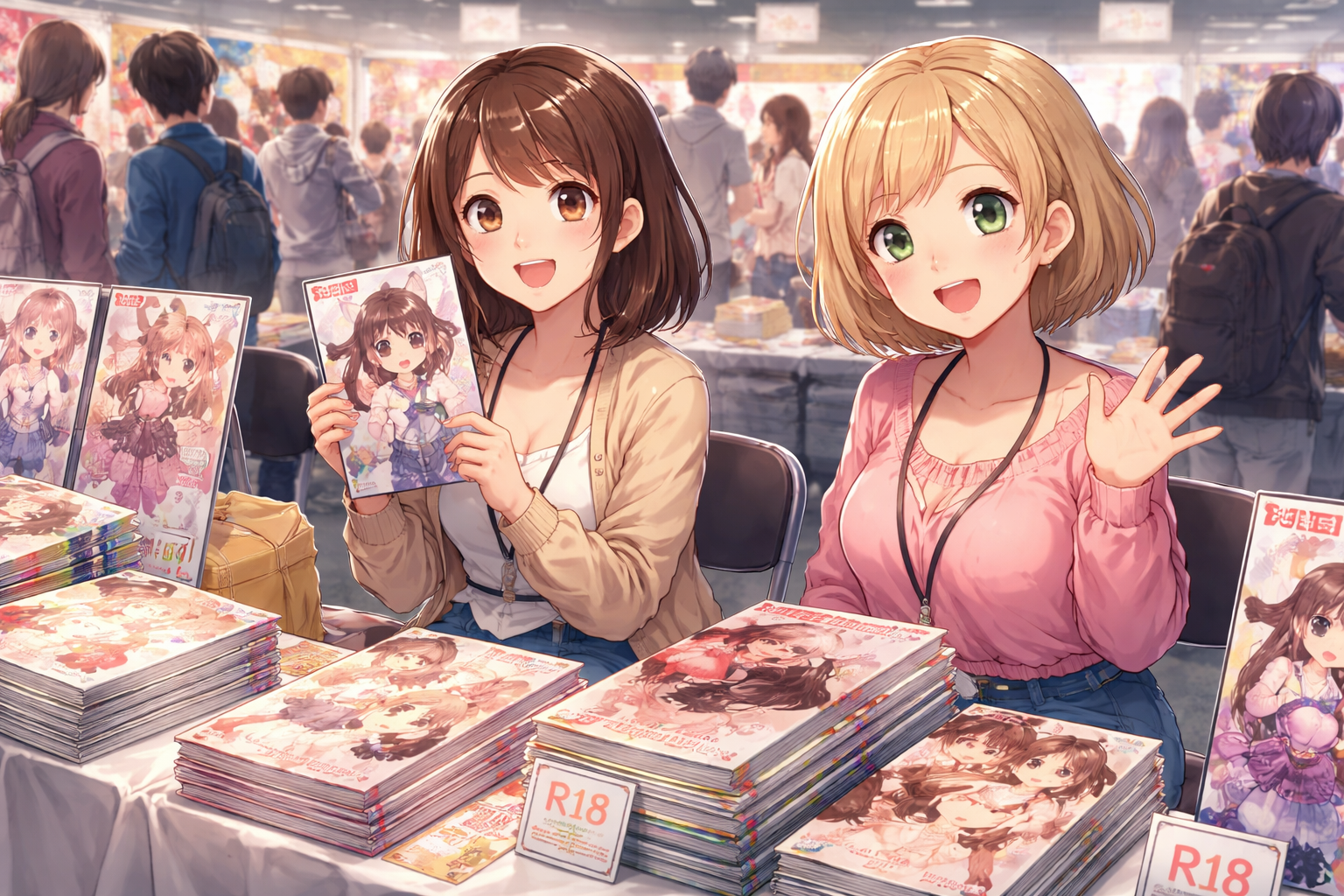
Doujinshi culture dates back decades in Japan, long before the internet made distribution easy. Fans would create and print their own manga, then sell or exchange them at events like Comic Market (Comiket), one of the largest fan conventions in the world.
What makes doujin culture unique is its relationship with mainstream content. Many works are based on existing characters from popular anime, manga, or games. In most industries, that would be strictly prohibited. In Japan, enforcement has historically been more relaxed—partly because these fan works often boost the popularity of the original material.
Moe-focused doujin works emerged naturally from this environment, as artists leaned into character-driven storytelling and emotional appeal.
How Doujin Moe Platforms Work
With the rise of digital platforms, doujin content moved online. Sites that host or index doujin material—often referred to casually in discussions around “doujin moe”—function as archives, libraries, or distribution hubs.
These platforms usually operate in one of three ways:
1. Aggregation Sites
They collect and organize doujin works, often uploaded by users. Content is categorized by tags, series, artists, or themes, making it easy to browse.
2. Marketplace Platforms
Some platforms allow creators to sell their work directly. These tend to be more legitimate and creator-friendly, offering a revenue stream for artists.
3. Hybrid Models
A mix of both—free access for some content, with paid or premium options layered on top.
The structure might seem straightforward, but the legality and ethics behind these platforms vary widely depending on how content is sourced and distributed.
The Role of Moe in Fan Engagement
Moe isn’t just a stylistic choice—it’s a powerful emotional hook.
In doujin works, moe often manifests through:
- Soft character design (large eyes, gentle expressions)
- Relatable or endearing personality traits
- Intimate or character-focused storytelling
This focus creates a different kind of engagement compared to mainstream media. Instead of large-scale plots or action-driven narratives, moe-driven doujin works tend to zoom in on small, personal moments.
That shift is part of what makes them appealing. Readers aren’t just following a story—they’re connecting with characters on a more emotional level.
Why Doujin Moe Became Popular Online
Several factors explain its growth:
Accessibility
Digital platforms removed the barriers of physical distribution. What once required attending niche conventions is now available globally.
Niche Freedom
Creators can explore ideas that mainstream publishers might reject—whether due to risk, audience size, or content guidelines.
Community Culture
Doujin communities are often tightly knit. Fans support artists, share recommendations, and build micro-communities around specific interests.
Speed of Creation
Fan works can respond quickly to trends. When a new anime becomes popular, doujin creators often produce content almost immediately.
This combination creates a dynamic ecosystem that feels more responsive and personal than traditional media.
Legal and Ethical Considerations
This is where things become less straightforward.
Doujin works based on existing intellectual property often exist in a legal grey area. While some creators and companies tolerate fan works, that tolerance isn’t universal.
Key concerns include:
- Copyright infringement: Using characters or settings without permission
- Unauthorized distribution: Sharing paid works for free
- Creator compensation: Artists losing income when their work is redistributed
Not every platform handles these issues responsibly. Some prioritize accessibility over legality, which raises ethical questions for users.
For readers, it’s worth being mindful of where content comes from. Supporting legitimate platforms helps sustain the creators behind the work.
Differences Between Doujin Moe and Mainstream Manga
At a glance, the art styles might look similar. The differences become clearer when you look at intent and structure.
| Aspect | Doujin Moe | Mainstream Manga |
|---|---|---|
| Creative Control | Fully creator-driven | Editor and publisher oversight |
| Content Scope | Highly flexible | Market-driven |
| Character Use | Often borrowed or reimagined | Original or licensed |
| Distribution | Informal or digital-first | Structured publishing |
Doujin moe thrives on freedom. That freedom leads to both innovation and inconsistency—some works are deeply compelling, others feel rough or experimental.
The Reader Experience
Reading doujin moe content is a different experience compared to traditional media.
There’s less predictability. You might find a beautifully drawn, emotionally resonant story next to something far more casual or niche.
That unpredictability is part of the appeal. It feels closer to discovering independent art than consuming polished entertainment.
For many readers, it’s also about exploration—finding new artists, interpretations, or character dynamics that don’t exist in official releases.
Common Misconceptions
“All doujin moe content is explicit”
This is one of the biggest misconceptions. While adult content exists, a large portion of doujin works are non-explicit and focus on humor, romance, or slice-of-life themes.
“It’s all low-quality fan art”
Quality varies, but many doujin artists are highly skilled. Some even transition into professional careers after gaining recognition.
“It’s illegal everywhere”
The reality depends on jurisdiction and context. Some regions enforce copyright strictly, while others have more relaxed attitudes toward fan works.
Risks and Practical Awareness
Anyone exploring doujin moe platforms should be aware of a few practical concerns:
- Content variability: Not all material is curated or moderated
- Legal exposure: Depending on your region, access may fall into grey areas
- Security risks: Unofficial sites can sometimes host unsafe ads or downloads
Using trusted platforms and exercising basic caution goes a long way.
The Future of Doujin Moe
The space continues to evolve.
As digital distribution improves and global audiences grow, doujin culture is becoming less niche. At the same time, creators are gaining more tools to monetize their work directly, which could shift the balance away from unauthorized distribution.
There’s also increasing overlap between fan and professional work. Some artists move fluidly between the two, blurring the line that once separated them.
That evolution suggests doujin moe isn’t just a subculture—it’s part of a broader shift toward creator-driven content.
FAQ
What does “doujin moe” actually mean?
It refers to fan-made works (doujinshi) that emphasize emotional appeal or affection toward characters, often through soft design and personal storytelling.
Is it legal to read doujin content online?
It depends on the platform and your location. Some sites operate legitimately, while others may host content without proper authorization.
Are all doujin moe works based on existing characters?
No. While many reinterpret popular characters, some artists create entirely original stories and designs.
Why do people prefer doujin moe over mainstream manga?
The creative freedom and niche focus appeal to readers who want something more personal or experimental than traditional publishing offers.
Can doujin artists become professionals?
Yes. Many artists build a following through doujin work and later transition into commercial projects or collaborations.
Doujin moe sits in a space that’s both creative and complicated. It reflects what happens when fans aren’t just consumers, but creators—shaping stories, characters, and entire micro-worlds on their own terms.
