
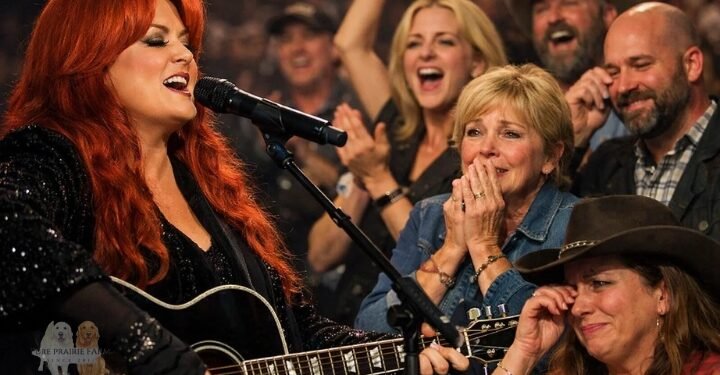
Few live performances in recent years have stirred as much discussion as those by Wynonna Judd. Across tours, televised appearances, and tribute events, Wynonna Judd performance reactions have become a talking point that goes well beyond vocal technique or setlists.
Within the first moments of many recent shows, audiences sense something layered and complex. This isn’t just a veteran artist revisiting familiar material. It’s a performer carrying decades of public memory, personal loss, and expectation onto the stage, often all at once.
What follows is a closer look at why these reactions are so intense, how they’re shaped by context, and what they reveal about the evolving relationship between artists and audiences.
The Emotional Weight Behind Recent Performances
Wynonna Judd has never been a detached performer. Even in her earliest years with The Judds, emotion was central to the music’s appeal. What has changed is the depth of lived experience behind that emotion.
After the passing of her mother and longtime musical partner Naomi Judd, every appearance carries an unspoken backdrop. Audiences know this. Critics know it too. That awareness shapes how each note, pause, or visible tear is interpreted.
For some listeners, these performances feel raw and deeply authentic. For others, they can be uncomfortable, blurring the line between concert and personal reckoning. Neither reaction is wrong. Both speak to how invested the public has become in her story.
When Vulnerability Becomes the Message
Unlike artists who carefully mask personal struggles onstage, Wynonna often allows them to surface. Her phrasing may stretch, her voice may strain, and silence sometimes becomes part of the performance.
That vulnerability is a key driver behind strong audience reactions. Some praise it as bravery. Others question whether such moments belong in a live show. The debate itself reflects shifting expectations about emotional openness in entertainment.
How Legacy Shapes Audience Expectations
Legacy is not a neutral thing. It sets standards that can be difficult to escape.
For many fans, Wynonna Judd is forever linked to the polished harmonies and storytelling of The Judds era. Songs like “Mama He’s Crazy” or “Why Not Me” live on in collective memory, frozen at a moment in time.
When today’s performances deviate from that memory, reactions can be sharp. Some listeners measure current vocals against recordings from decades ago, without accounting for age, experience, or emotional context.
The Burden of Familiar Songs
Performing legacy material comes with built-in comparison. A song written in youth doesn’t always sit the same way in an older voice. Tempo, tone, and delivery evolve, sometimes subtly, sometimes dramatically.
Wynonna’s choice to continue performing these songs is often read as both tribute and confrontation. She honors the past while refusing to recreate it exactly. That tension fuels much of the public response.
Media Coverage and the Amplification Effect
In earlier decades, a live performance existed mostly for those in the room. Today, a single clip can circulate globally within hours, stripped of context.
Short videos rarely capture the full arc of a concert. A cracked note or emotional pause may look alarming in isolation but feel natural within a full set. Media outlets and social platforms, however, tend to highlight moments that spark reaction rather than understanding.
This amplification plays a major role in shaping Wynonna Judd performance reactions, often intensifying criticism or praise beyond what the live audience experienced.
Headlines Versus Reality
Many critical headlines focus on perceived vocal decline or visible emotion. Less attention is given to crowd response, musicianship, or the broader narrative of the show.
Those who attend in person often describe a different experience altogether: supportive crowds, standing ovations, and a shared sense of witnessing something meaningful, even imperfect.
Fan Reactions: Support, Concern, and Division
Fan communities tend to reflect a wide emotional range. Longtime supporters often express protective loyalty, emphasizing Wynonna’s right to perform on her own terms.
Others voice concern, framing their reactions as care rather than criticism. They question whether continued touring is healthy or fair to the artist herself.
Then there are newer listeners, less attached to the legacy, who evaluate performances more neutrally. Their reactions are often quieter but provide useful perspective, free from decades of expectation.
The Role of Age and Voice in Public Judgment
Aging voices are common in music, but public tolerance varies widely. Male artists are often praised for “weathered” vocals, while women face harsher scrutiny for similar changes.
Wynonna Judd’s performances sit at the center of this imbalance. Some critiques focus less on musicality and more on deviation from an idealized past version of her voice.
This dynamic raises broader questions about how audiences value longevity, especially for women in country music.
Technique Versus Expression
From a technical standpoint, Wynonna still demonstrates control, phrasing skill, and emotional timing. What has shifted is texture and range, not artistry.
Listeners who prioritize expression over technical perfection often respond more positively. Those expecting studio-level consistency may feel disappointed.
Why These Performances Matter Culturally
Beyond individual reactions, Wynonna Judd’s performances highlight a larger cultural moment. They challenge the idea that live music must be polished to be valid.
Her presence onstage represents survival, continuity, and refusal to disappear quietly. That alone resonates with many, even if the performances provoke discomfort.
In this sense, Wynonna Judd performance reactions are less about approval and more about engagement. People are paying attention, thinking critically, and responding emotionally.
A Balanced View of Criticism and Praise
It’s possible to hold two truths at once. A performance can be emotionally powerful and technically uneven. An artist can be courageous and still face legitimate critique.
Wynonna’s recent work invites this kind of balanced assessment. Dismissing all criticism as cruelty oversimplifies the conversation. So does ignoring the emotional stakes involved.
The most thoughtful responses tend to acknowledge both artistry and limitation, without turning either into a headline.
What Audiences May Miss Without Context
Context changes perception. Knowing the personal history behind a performance often reframes moments that might otherwise seem troubling.
Live music has always been about presence rather than perfection. When context is removed, reactions tend to skew harsher and less informed.
For Wynonna Judd, context isn’t optional. It’s embedded in every lyric and pause.
FAQ: Common Questions About Wynonna Judd Performance Reactions
Why are Wynonna Judd’s performances getting so much attention lately?
Recent performances carry emotional weight tied to personal loss and legacy. Media amplification and social sharing have also increased visibility and scrutiny.
Has Wynonna Judd’s voice changed significantly?
Her voice has evolved with age, showing changes in range and texture. Many listeners still note strong expression and control despite these shifts.
Are audience reactions mostly negative?
No. Reactions are mixed, with strong support from fans alongside concern and critique. Live audiences often respond more positively than online commentary suggests.
Why do some fans feel uncomfortable watching certain performances?
Visible emotion can blur boundaries between performance and personal grief, which affects viewers differently depending on expectations and sensitivity.
Is Wynonna Judd expected to stop performing?
There’s no clear indication of that. Decisions about touring appear to balance artistic drive with personal well-being, and context matters.
